
The Houthis denied they attacked Mecca or any Islamic holy site. The incident comes amid a broader escalation involving Saudi Arabia and the Iran-backed group, including attacks inside Saudi Arabia and threats to shipping in the Red Sea.
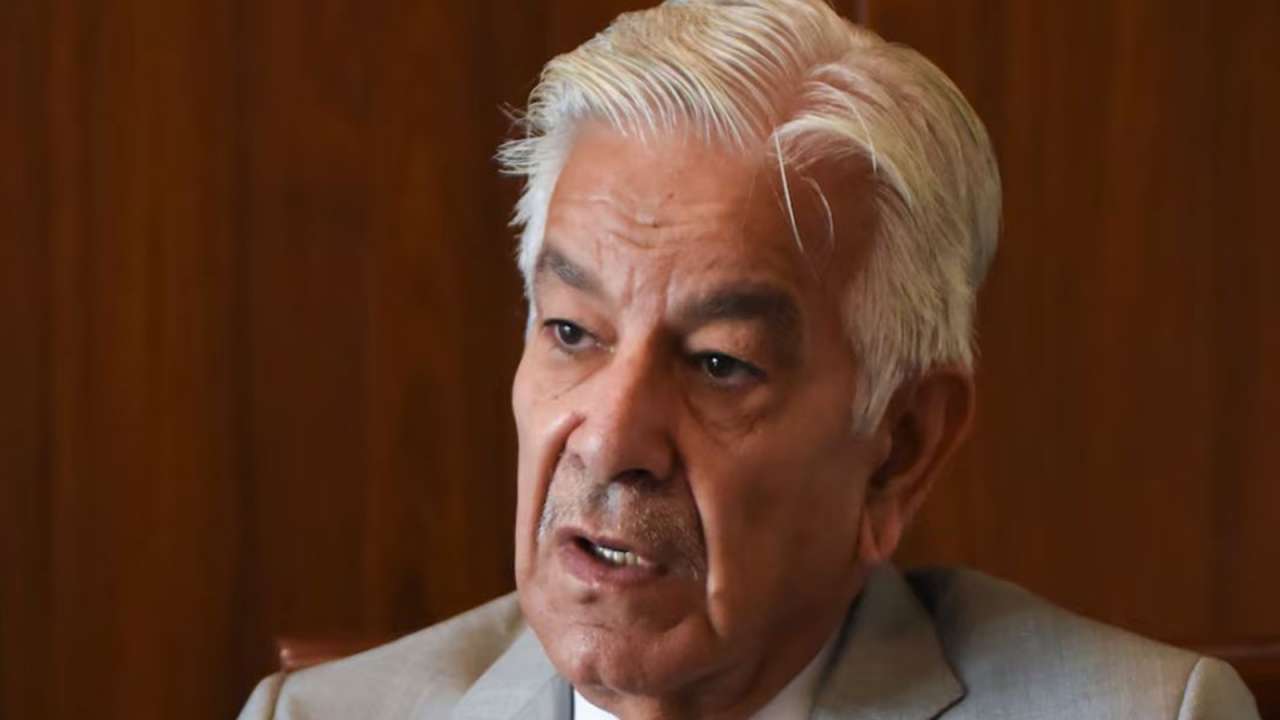
Pakistan Defense Minister Khawaja Asif, Image Source: ANI
Pakistani Defense Minister Khawaja Asif said Islamabad will “fulfill its obligations” under the Mecca Joint Defense Agreement after Saudi Arabia reported an attempted Houthi drone strike near Mecca. In an interview with Geo News on Wednesday, Asif said the agreement “applies to us” and Pakistan will do its duty.
Asif added that Pakistan does not need a formal agreement to protect holy sites, calling it a responsibility in itself. His remarks came as Saudi authorities said their air defenses intercepted and destroyed a Houthi drone south of Mecca before it could enter restricted airspace around the holy city.
The Houthis denied they attacked Mecca or any Islamic holy site. The incident comes amid a broader escalation involving Saudi Arabia and the Iran-backed group, including attacks inside Saudi Arabia and threats to shipping in the Red Sea.
What is the Mecca Joint Defense Pact?
On August 7, Pakistan, Saudi Arabia and Türkiye signed an Agreement for the joint defense of Mecca in the Saudi city. The pact aims to strengthen collective deterrence and expand defense cooperation between the three countries.
Its key clause states that an armed attack against any of the three signatories will be considered an attack against all three. The pact also provides for deeper cooperation in defense areas.
According to Asif, the pact comes into force in case of violation of the territorial integrity or geographical boundaries of any of the three countries. He stressed that there was “absolutely no ambiguity” about its use, but declined to publicly discuss Pakistan’s defense or military strategy.
The pact was signed by Saudi Crown Prince and Prime Minister Mohammed bin Salman, Turkish President Recep Tayyip Erdogan and Pakistani Prime Minister Shehbaz Sharif at the joint defense summit in Mecca Al-Mukarramah.
Pakistan officially describes the pact as defensive in nature, aimed at strengthening collective deterrence against external aggression. Pakistan’s foreign ministry also said it was not aimed at any specific country.
Asif sent a message to Iran
Asif also said Pakistan conveyed Saudi Arabia’s message to Iran amid fears of Houthi attacks on the kingdom. He said he did not expect Iran as a state to open another front already embroiled in a broader regional conflict.
The Pakistani Defense Minister made a distinction between Iran as a state and non-state groups operating in the region. He said such groups could operate without waiting for official approval or support from the government.
It would be unwise for Iran to directly intervene in the conflict between the Houthis and Saudi Arabia, Asif said, adding that Pakistan would continue efforts to prevent the conflict from spreading to other theaters of war.
Pakistan’s position comes as the Mecca agreement goes beyond signing. The first meeting of the Strategic Policy and Defense Committee established under the pact was to bring together the foreign, defense and military ministers of the three countries in Istanbul.
