
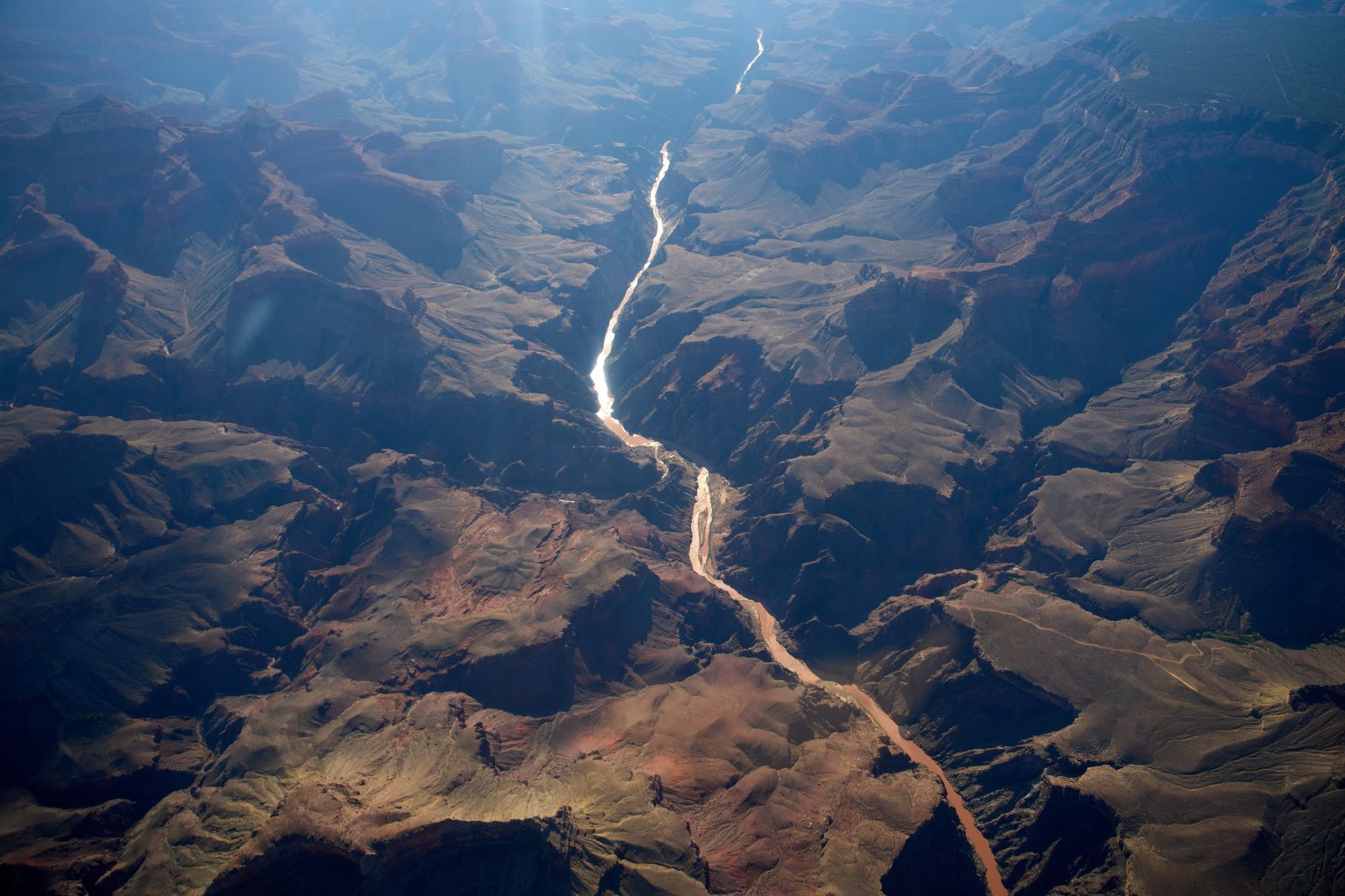
GRAND CANYON NATIONAL PARK, Ariz. (AP) — Human remains found in the Grand Canyon this week were those of the last remaining person missing after a deadly flood in late August, the victim’s wife said Thursday.
The discovery of Timothy Allen Smith raised the death toll to three in the flooding that devastated the Phantom Ranch site at the canyon bottom and damaged water mains serving the South Rim.
Smith, 53, was a pilot from western Wyoming’s Star Valley. His remains were found Monday near Crystal Rapids on the Colorado River, which flows through the canyon.
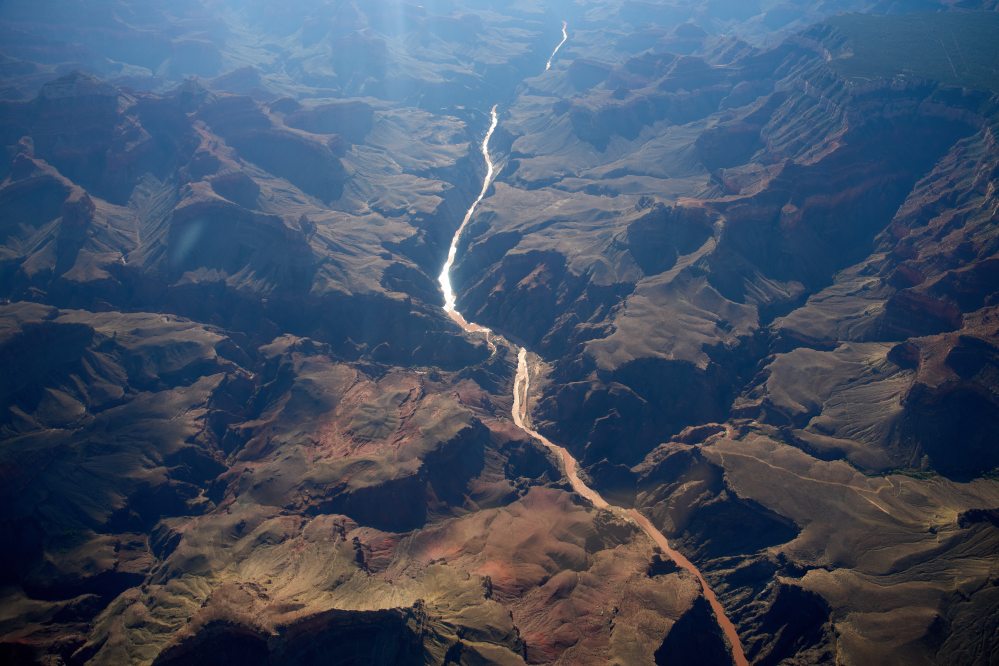
The remains of two of Smith’s companions, 42-year-old Brent Rosencrantz and 46-year-old John Giusti, both of Granbury, Texas, had been found earlier.
Smith grew up in Granbury and lived with his wife on Star Valley Ranch, about 40 miles (64 kilometers) southwest of Jackson.
He, Rosencrantz and Giusti went on a multi-day camping, fishing and camping trip when flooding swept through the Grand Canyon.
During the two-day flood, searchers used night vision and other equipment to find people in need of rescue. They used Grand Canyon National Park’s permit system and checked vehicle license plates to find those still missing. More than 80 people were saved.
Soon the only thing missing was Smith. In a Facebook video at the time, his wife Carrie and their children thanked people for their support and prayers.
Carrie Smith posted on Facebook Tuesday morning that the family knew the body had been found the day before and asked others to pray with them.
Smith confirmed in a Facebook post Thursday that the remains have been identified as those of her husband.
“My family has waited a lot over the past three weeks…waited and hoped for Tim (Dad) to come home, waited and wondered if the remains found were really Tim (Dad),” she wrote. “We don’t have to wait any longer, Tim was found two days ago by rangers in Grand Canyon National Park. Not in the way we hoped, but we know he was doing what he liked with John and Brent.”
She added, “We know these three men loved the Lord and were a bright light to Him. The impact their lives had on others is still demonstrated to our families every day.”
The National Park Service and the Interior Department did not immediately respond to emails seeking comment Thursday. The agencies have not publicly identified the remains found this week.

The flooding began on August 29 during the summer monsoon or rainy season, when clear skies can quickly give way to thunderstorms and heavy rain. Desert landscapes can turn floodwater into sudden torrents that rush through previously dry gullies and canyons.
Rain fell on part of the North Rim burn zone, remnant of a wildfire caused by lightning in July 2025. The fire destroyed the historic Grand Canyon Lodge, cabins and other structures.
Fire areas can make flash floods worse because there is less vegetation to absorb runoff.
The flood damaged a pipeline running through the canyon that supplies water to millions of tourists and local residents. Due to water shortages, all overnight stays had to be stopped until the pipeline was restored. National Park Service officials recently said they expect to restore a reliable water supply to the canyon in weeks rather than months after discovering that much of a nearly completed pipeline project was not damaged during the flood.
Many hiking trails and overnight accommodations remain closed and water has been shut off to the inner canyon, encouraging hikers to bring their own water or water filtration devices.
