
There was a time, not too long ago, when turning 30 in K-pop essentially meant calling it a day.
For first and early second-generation groups like H.O.T. or TVXQ, the path forward followed a harsh but familiar pattern: an abrupt wave of member exits or disbandment around the seven-year mark, a mandatory military pause, and then a gradual fade from the cultural conversation. If you were lucky, you spent your 30s as a variety show unc, a supporting actor in a weekend drama, or, like the first-generation trailblazers Shinhwa, spent twelve grueling years in court just to win back the legal rights to their group name from their former agency. The message from the industry was clear: youth is the only currency that matters, and once it fades, please step aside.
Today, however, that scene looks a little different. The industry is navigating a shift — a sort of collective “post-idol panic” that’s equal parts existential crisis and savvy corporate rebranding. The stars who defined K-pop’s massive global expansion over the last decade are now hitting or already in their thirties, and instead of fading away, they are changing what it means to grow old in the music business.
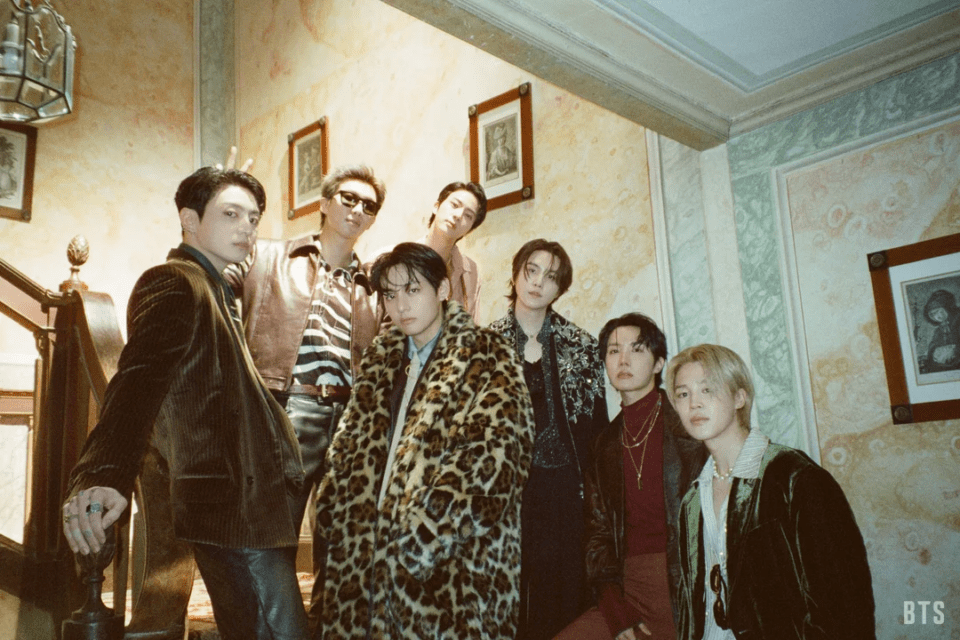
Consider the dynamics unfolding across the landscape. The members of BTS have finally finished their military service, returning with their sprawling megahit fifth studio album, Arirang, and a massive global tour to accompany it. They are part of a broader, stubborn vanguard of third-generation idols who simply refuse to follow the past.
TWICE have demonstrated similar staying power, blowing past the industry’s notorious seven-year expiration date to continue selling out stadiums nearly a decade after their debut. Meanwhile, their contemporaries in BLACKPINK have taken a different direction, sticking together for group releases and performances under YG Entertainment while founding independent boutique agencies to run their solo careers.
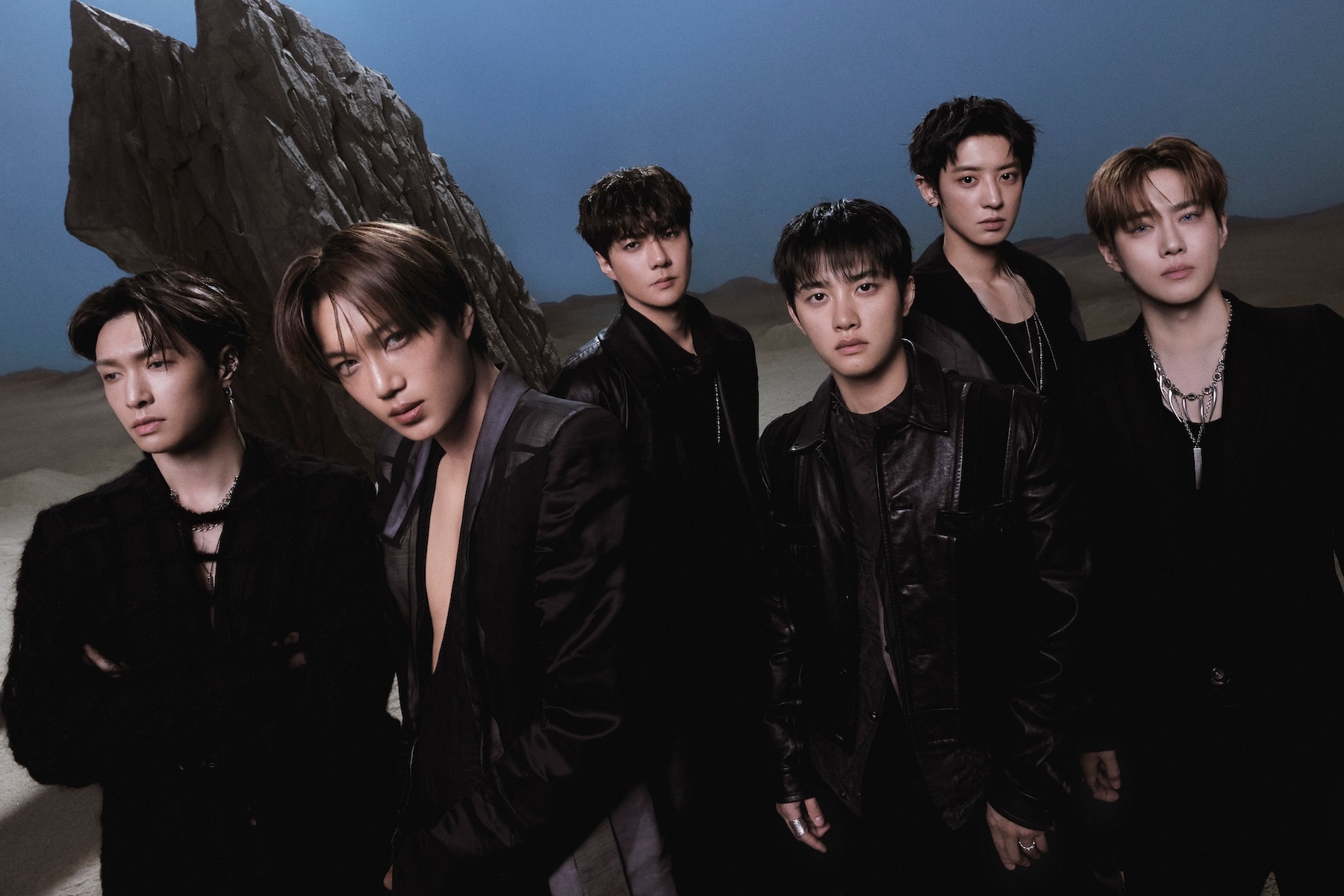
Even bigger, logistically complex units like SEVENTEEN are navigating the reality of staggered enlistments and contract renewals without losing any bit of momentum, while older veterans like SHINee and EXO continue to release new and experimental music, often decentralizing their individual careers into solo labels while keeping the collective brand alive.
Perhaps one of the most interesting shifts belongs to GOT7, who legally wrested 100 percent of their trademark and intellectual property rights away from their original agency, JYP Entertainment. It only underscores that these pop stars are taking on adulthood with a painstakingly hard-earned honesty that makes the old, super-polished idol factory look obsolete.
Beyond Aegyo: The Toll of Staying Young
The most visible sign of this shift is that more and more idols seem to be dropping the aegyo act, the heavily performative, hyper-infantile brand of cuteness that was perhaps once a non-negotiable requirement of the job. For decades, the industry functioned like a youth factory, turning teenagers into ageless, flawless models of pure energy. But now, ageing idols are struggling to meet the industry’s demand to look young forever.
In his April 2026 Rolling Stone cover interview, Jin, the oldest member of BTS, admitted that performing at 35 (his Korean age) has naturally become more difficult. “It’s true that the same moves can feel a bit more difficult now, that’s just my burden to bear…To be honest, I’m aware that I don’t move quite as well as the other members. So I’ve always come early to practice or stayed late to catch up. I still do that.” It’s a reminder that human limits exist, even inside an industry that usually pretends they do not.
This honesty has become its own aesthetic, drawing us in simply by showing these idols doing everyday things. Take Key of SHINee, for instance. In his thirties, he’s turning the reality of being a grumpy, meticulously organized man into a recurring storyline on the hit reality show I Live Alone. Watching him complain about household chores, bicker with his dogs, and scrub his kitchen counters has made us love him just as much as watching him turn every stage into a “Key” moment. You won’t just tune in for a scripted pop show, but because watching a Hallyu star doing the dishes feels infinitely more real than watching them force a teenage smile.
So, the very definition of what counts as fan service has changed with time. During an emotional, late-night Weverse livestream, BTS’s Jungkook pushed back against the very rigid expectations historically forced onto K-pop stars. Unwinding with friends, he candidly addressed the public scrutiny over his personal life. He admitted to a heavy smoking habit in the past, also noting that he had worked hard to quit, while directly questioning why adulthood should be treated as taboo.
Looking into the camera, he shared his frustration over the industry’s strict censorship and questioned why he couldn’t openly discuss smoking, pointing out that even though he doesn’t smoke anymore, he’s 30 years old and should be able to speak freely. For millions of viewers watching live, the appeal was no longer just about Jungkook, the BTS superstar; it was about the comfort of watching a mature artist step out from behind the curtain to simply tell the truth.
Stepping Into the Creative Director Role
Pulling back the curtain is only the first step; the real revolution happens when the artist decides to buy the theater and alter the power balance.
At present, a K-pop idol approaching 30 doesn’t just sit at a table to sign a standard contract renewal; instead, they renegotiate the corporate hierarchy, transitioning from managed performers to majority owners who turn their personal identities into independent intellectual property.
When GOT7’s initial contracts expired, the seven members collectively walked away from JYP Entertainment, while executing an amicable legal transfer of their group name, music catalog, and trademark rights. As the group’s leader, Jay B later reflected in an interview with GQ that their professional paths had simply diverged from the agency’s corporate vision. He explained that while he understood a K-pop powerhouse like JYP had its own ways of managing solo promotions, he personally needed a greater role in his own output. “I’m not trying to be a superstar; I just wanted to be me,” he said.
That same desire for personal space has led many other artists to build their own labels, including EXO. Icons like Baekhyun and D.O. launched their personal brands—I&B100 and Company Soosoo in 2023, allowing them to pursue mature acting roles and music ventures away from the strict 24/7 idol surveillance. BLACKPINK pulled off a very similar move when their contract renewals came up, agreeing to stay together for group projects under YG, while simultaneously parting ways for their solo careers. Jennie started her own agency, Odd Atelier, to have more creative freedom, Lisa set up Lloud to branch out musically and test her limits as an artist, and Jisoo launched Blissoo to connect directly with her fans.


This structural shift changes the music itself. In self-producing units like SEVENTEEN, creative autonomy is baked directly into the corporate structure. Woozi, the group’s main songwriter and producer, has spent years ensuring their music stays authentic rather than resorting to industry shortcuts. In a feature with The Hollywood Reporter, he pointed out that their sustained relevance is entirely based on an organic connection with the audience, adding that “the sincerity of our own stories” is what carries them forward, rather than any packaged concept created by agency executives.
An Older, Wealthier Fandom
Another key reason these groups haven’t faded away is that their fans have grown up with them, transforming the entire industry’s financial model. According to The Korea Herald, the “Silver Hallyu” — consumers in their thirties and forties — now commands the highest per-capita spending power in the history of K-pop.
Unlike younger Gen Z fans, whose financial impact is limited to streaming numbers and bulk album purchases, this older demographic consists of working professionals with significant disposable income. They’re shifting the market away from physical merchandise toward high-end lifestyle experiences, luxury brand endorsements, and international travel. For example, the return of supergroup BTS has driven tourism surges, pushing South Korea’s travel revenue into a record surplus, with fans booking flights solely to attend their concerts, securing luxury concert packages, and spending heavily to visit the hometowns of their beloved idols.
For these professionals, it’s a significant, well-funded lifestyle choice.
“I’ve been crazy about K-pop since my college days, but back then, I could only afford to stream the music and buy an album or two,” says Ananya Sen, a 32-year-old software engineer. “Now that I have a stable income, I can finally afford to fly out just for a concert.”
Rusha Mishra, a 34-year-old product manager, feels the same way. “K-pop isn’t just a random hobby I spend money on anymore—it’s just a normal part of my everyday life,” she says. “Whether it’s the skincare I use or the brands I wear, my choices are definitely influenced by my biases. My love for the music basically grew up with me and blended into how I spend my money today.”

Learning How to Land
Behind the scenes, the artists are also looking at themselves with a similar sense of realism. And it’s changing how they talk about themselves and their mental health, most significantly moving away from the forced optimism of the past.
On Suchwita, a relaxed YouTube talk show hosted by BTS’s Suga, artists regularly sit down over drinks to have candid conversations on facing anxieties like ageing, burnout, and industry struggles. Suga’s own perspective has become central to this change. During a televised SBS interview, the host highlighted the line “’Cause when we fall, we know how to land” from the song “Permission to Dance.” Suga explained that while he spent years afraid of “falling” from the peak of global fame, he eventually realized that “landing” is what actually matters. The difference, he emphasized, is that landing means you’re safe and ready to take off again.
On a similar note, RM confessed in a 2022 Rolling Stone interview that the constant expectations of the system can feel crushing. “I’m a human, and I really get nervous, and I sometimes get depressed by, and even get swallowed by, all the energies,” he said. “But I try to deal with it because I love the music.” Taeyeon of Girls’ Generation has also opened up about this pressure, admitting to her severe struggles with depression and how she isn’t good at getting over a slump, choosing instead to simply live through it.
When you feel this way, a lot changes. You can’t sing happy, bubblegum pop songs when you’re running out of energy or the ability to cope with daily life. In such vulnerable moments, the perfect pop façade is gone, and the music naturally changes along with it
The Future of Music is Messy, but We Love It
It’s a more mature sound now. The loud electronic beats are fading in favor of organic, live instrumentation such as the acoustic guitar-driven loneliness of Taeyeon’s “To. X” or the organic bass, drums, and keys played by bands like Day6 in tracks like “Zombie,” which capture the lifeless exhaustion of the daily grind.
The lyrics have shifted, too, replacing high school crushes with the messy parts of adulthood, like feeling lonely and trying to figure out who you are. Tracks like BTS’s “Normal” —which strips back their global idol imagery to meditate on the isolating reality of fame — or Shinee’s introspective “The Feeling,” which explores running on an empty tank and feeling trapped in a routine, are now taking on these dilemmas head-on.
Instead of silently retiring early under these pressures, these idols have stayed, building a whole new trajectory for themselves and the rookies behind them. They’ve proved a K-pop career doesn’t need a shelf life and that while fleeting youth always fades, true identity and authentic music last forever.
Perhaps that’s why the K-pop training system is finally changing for the better. It’s no longer just about practicing synchronized routines for hours a day. Now, trainees learn songwriting, mental health care, and career management right from day one, shifting the industry’s focus toward building independent artists who can go the distance.
It suggests that perhaps K-pop’s next era won’t be defined by how quickly it can produce stars, but by how well it helps them keep shining.