
Shivendra Gaurav7 months ago
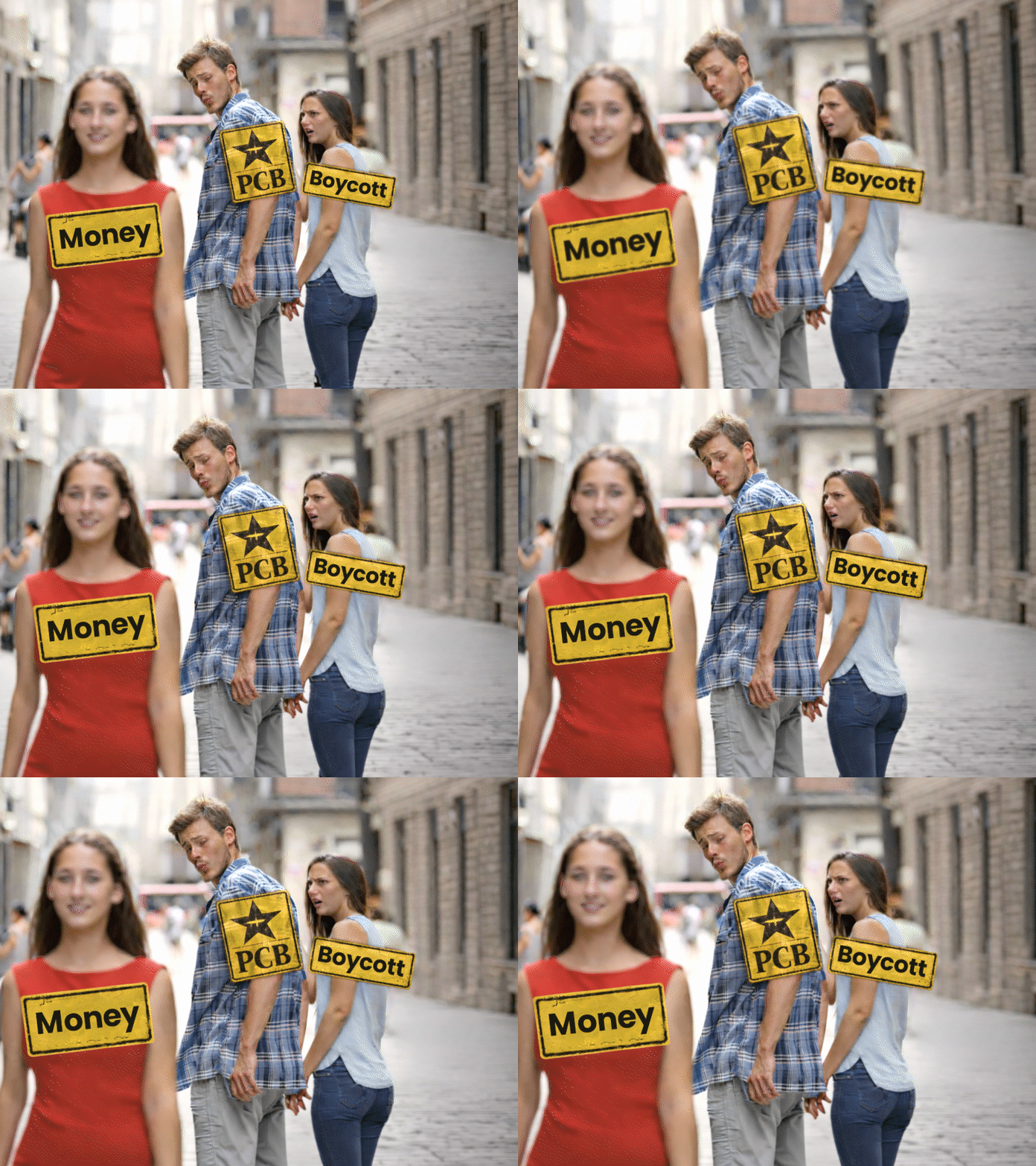
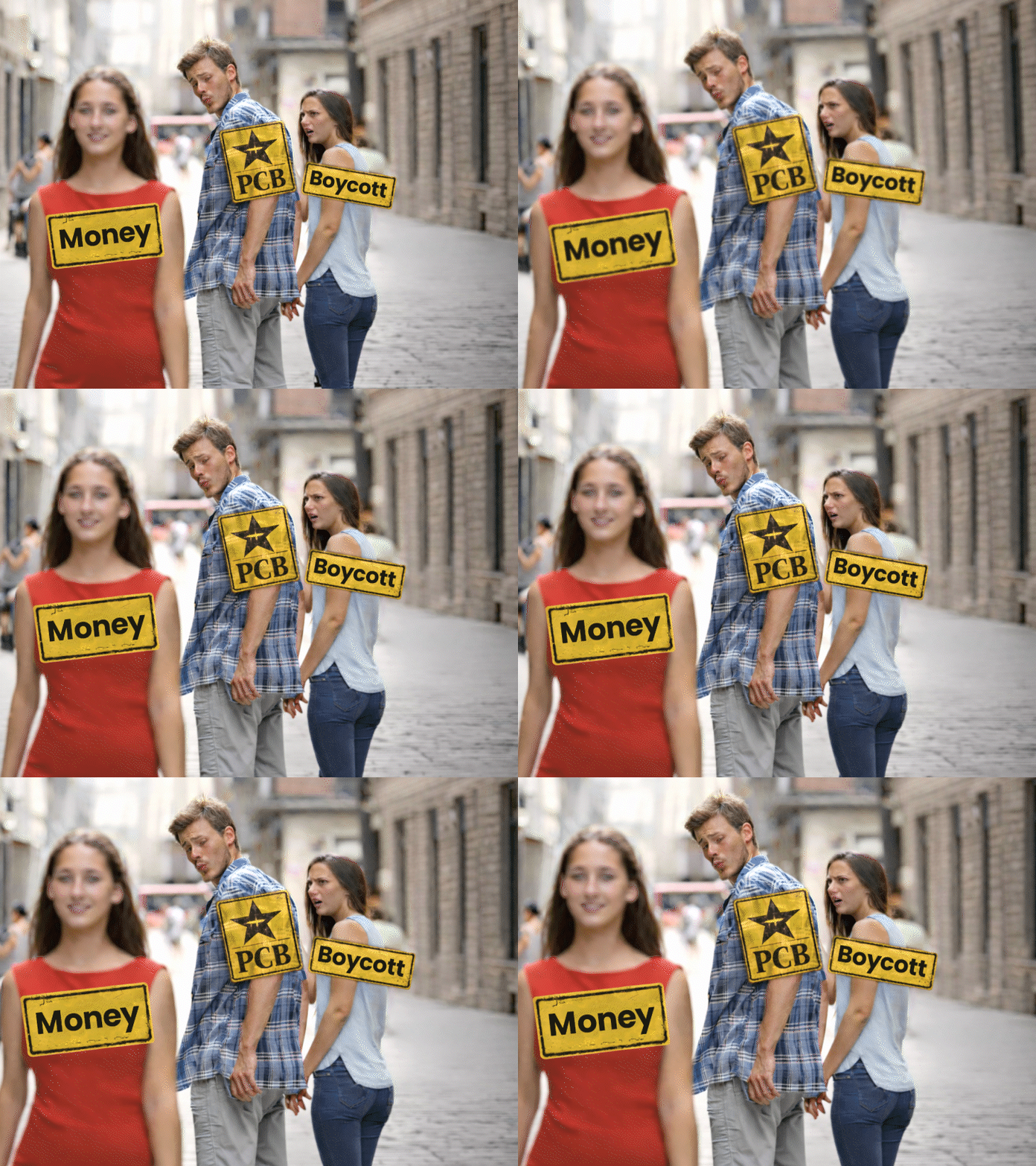
On February 5, Pakistan Prime Minister Shehbaz Sharif announced that Pakistan will not play against India in the T20 World Cup. However, within a week, the Pakistani government made another U-turn.
Pakistan has announced that its cricket team will play India in a T20 World Cup match scheduled for February 15.
Some reports claim that the ICC exerted pressure behind the scenes during the meeting held on February 8, while other reports suggest that the PCB made three demands in exchange for agreeing to play India.
Why did Pakistan agree to play India, what are the three conditions put forward by the PCB and will the ICC accept them? We explain in today’s explainer.
How did Pakistan agree to play India in the T20 World Cup?
A meeting between officials of the Pakistan Cricket Board (PCB) and the International Cricket Council (ICC) was held in Lahore on Sunday. Bangladesh Cricket Board President Aminul Islam was also present at the five-hour meeting. During the discussions, it was almost decided that Pakistan would play the match against India.
Following this, PCB chief Mohsin Naqvi briefed Pakistan Prime Minister Shehbaz Sharif about the outcome of the meeting on Monday evening. During the night, an announcement was made through the Pakistan government’s official X address confirming that the Pakistani team would play India. The government said the decision was taken to uphold the spirit of cricket and support all participating countries on the global sporting stage.
In a statement, the Pakistan government said that Sri Lanka Cricket President Anura Kumar Dissanayake spoke to Prime Minister Shehbaz Sharif over the phone. Following the ICC meeting, the Bangladesh and UAE cricket boards also contacted the PCB. Pakistan said it agreed to play India after requests and support from those countries.
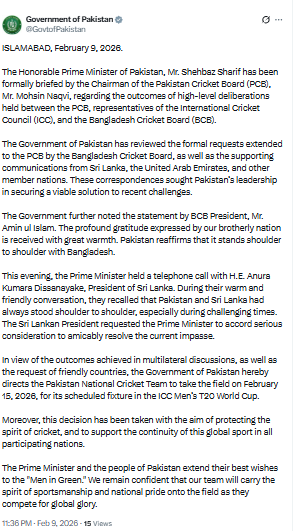
Message from Pakistan Government Spokesman X stating that Sri Lanka Cricket Team has approached Pakistan to host the match.
However, sports editor Dainik Bhaskar Bikram Pratap Singh says: “Pakistan’s threat to boycott the match against India was just a pressure tactic. It has always wanted to play India. Pakistan has been trying to establish its relevance within the ICC for a long time and is seeking a larger share of the revenue. The situation with Bangladesh has given Pakistan the opportunity it needed.”
What conditions did Pakistan set for the game against India?
According to reports, Pakistan wanted to fulfill three conditions in exchange for playing India in the T20 World Cup…
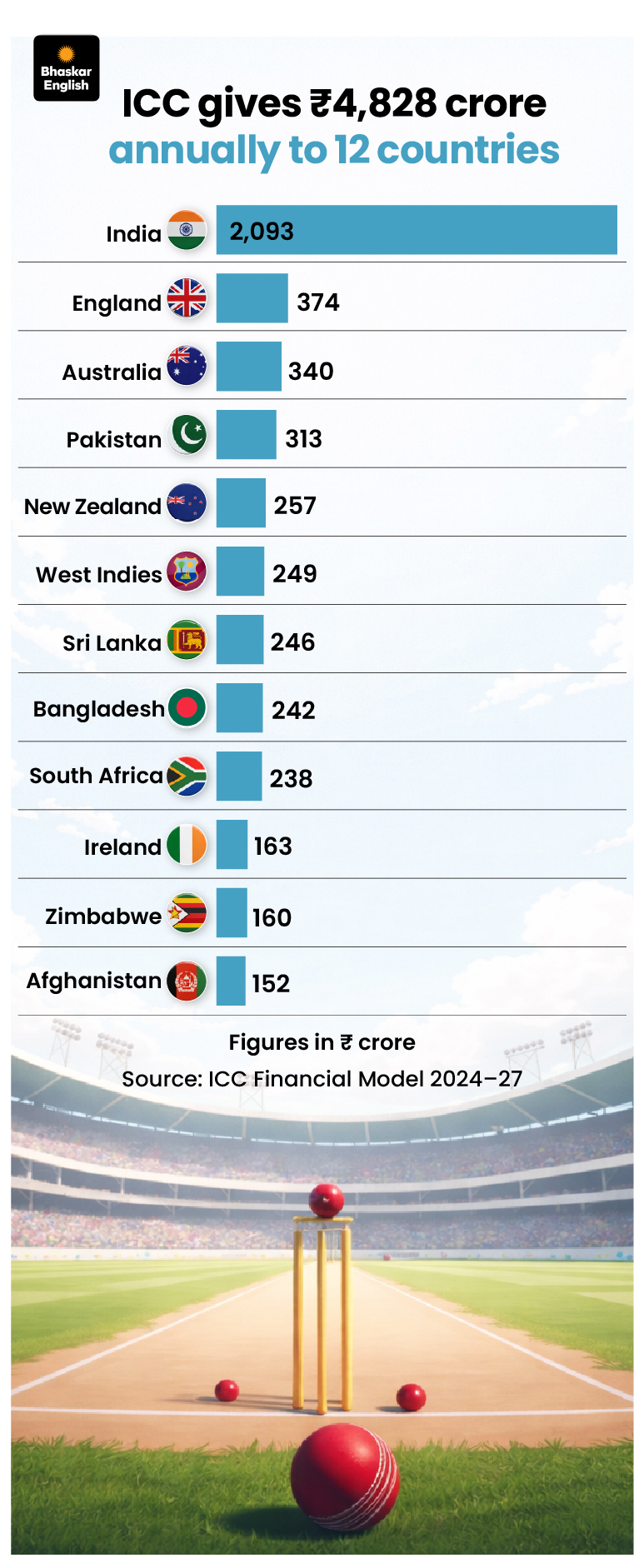
Condition 1: Increase in ICC revenue
The ICC distributes a portion of its earnings annually as revenue to its 12 full-time member countries. Currently, Pakistan receives around US$34.5 million – approximately ₹313 crore – which is 5.75% of ICC’s revenue. Pakistan is the fourth largest recipient of ICC revenue. India receives the largest amount, about $230 million, which is approximately 38.5% of the ICC’s annual revenue.
Condition 2: Indian players must shake hands during the match.
During the Asia Cup in September, the Indian men’s cricket team refused to shake hands with Pakistani players. This followed an attack by Pakistan-backed terrorists in Pahalgam, India in April 2025. In response, India launched Operation Sindoor against Pakistan. The Indian team refused to shake hands to protest the incident.
Condition 3: Resumption of bilateral series between India and Pakistan.
The last time India and Pakistan played a bilateral series was in 2012-13. After the 2008 Mumbai attacks, the Indian team stopped touring Pakistan. Because of this, India played the 2025 Asian Cup, hosted by Pakistan, in the UAE. Pakistan now wants to resume bilateral talks with India.
Could the ICC accept all three conditions of Pakistan?
The ICC does not have the authority to accept all the terms and conditions of the PCB…
ICC revenue model has already been fixed
In 2023, the ICC published a new revenue model determining how much money full-time member states will receive in 2024–2027. Income distribution was based on four factors:
- Country’s cricket history
- Team performance in ICC men’s and women’s competitions over the past 16 years.
- Each country’s contribution to ICC revenues
- Fixed amount paid to all regular members
According to this model, annual income will remain unchanged until 2027. Until then, ICC will not be able to increase Pakistan’s revenue. To meet Pakistan’s demand, changes will need to be made in the revenue model for 2028-2031.
Bilateral Series – Government of India Decision
- India’s decision not to play bilateral series with Pakistan lies with the Indian government and not with the BCCI. This is also outside the jurisdiction of the ICC.
- After Operation Sindoor, all relations between India and Pakistan, not just cricket, were suspended. Restarting cricket will require multi-level negotiations.
- Even if bilateral series resume, the main question will remain the venue.
- The last time India toured Pakistan was in 2008. This stopped after the Mumbai attacks. Pakistan, however, continued to travel to India for ICC tournaments.
- After Operation Sindoor, Pakistan also refused to go to India. Pakistan’s matches in the T20 World Cup hosted by India are being played in Sri Lanka.
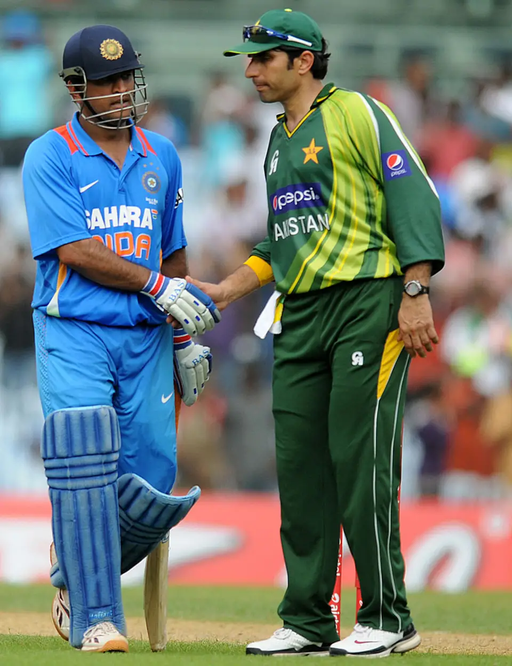
Pakistan last toured India for a bilateral series in 2012-13. The two-match T20 series ended 1–1 while Pakistan won the ODI series 2–1.
The decision to shake hands is up to the players
- During the Asian Cup match, the Indian players did not shake hands either during the toss or after the victory.
- At a press conference, captain Suryakumar Yadav said, “Our government and the BCCI are united. We only came here to play cricket and responded accordingly. Some things are more important than sportsmanship. We stand with all the victims of the Pahalgam attack and their families.”
- Indian players also refused to shake hands during the Women’s World Cup and the Under-19 World Cup.
- According to the BCCI, it was the players’ decision. However, experts believe that this was done on the instructions of the BCCI and the government.
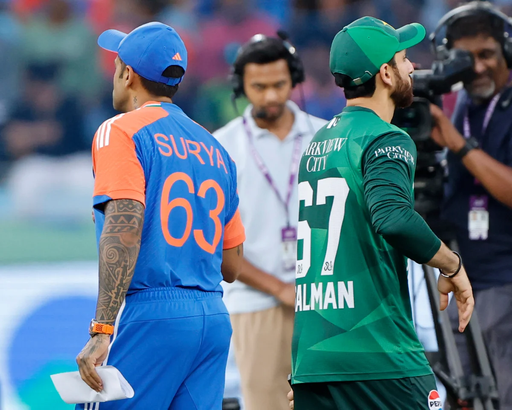
After the Asian Cup draw, India captain Suryakumar Yadav refused to shake hands with Pakistan captain Salman Ali Agha.
What losses would Pakistan have suffered if they had refused to play?
If Pakistan had missed the match, the ICC could have taken strict action…
Automatic loss of match points
- If Pakistan does not play India on February 15, it will be counted as a defeat. India will get two points and Pakistan will lose two points without playing.
- Any defeat in the group stage would hurt Pakistan’s chances of qualifying for the Super 8.
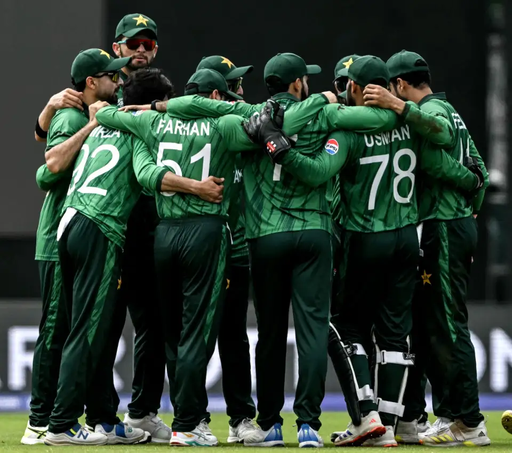
Pakistan won their first T20 World Cup match against the Netherlands by three wickets. They are currently second in Group A. Their match against India is scheduled for February 15.
Suspension of payment of ₹312 crore from ICC revenues
- The PCB receives about ₹313 crore annually from the ICC – the bulk of its income – and this amount may be suspended.
- Teams earn around ₹2.5 crore per group match. Teams finishing 5th to 12th earn around ₹4.1 crore, winners ₹27.5 crore and runners-up ₹14.7 crore.
- Missing matches will hurt Pakistan’s tournament revenue.
Risk of Pakistan Super League closure
- The PSL is heavily dependent on foreign players. The ICC may deny NOCs to players from England, South Africa and the West Indies.
- Without foreign players, PSL’s brand equity will collapse, broadcasters will leave and the PCB could lose around ₹50 crore a year.
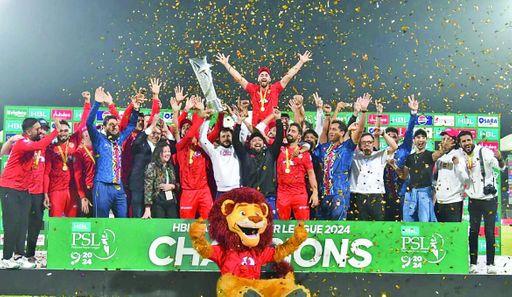
Like the Indian IPL, the Pakistan Super League was launched in Pakistan in 2016. The PSL 2026 auction is scheduled for February 11th.
Losses of Pakistani players
- Players earn PKR 400,000 per T20 match. Pakistan have four group matches. Missing the World Cup will cost players match fees.
- Four Pakistani players are currently in the top 10 in the ICC T20 rankings. Missing a tournament could hurt their ranking.
- When Bangladesh pulled out of the World Cup, companies like SG withdrew their sponsorship. Pakistan could face the same thing. Pepsi and CA Sports could also stop sponsoring Pakistani players.
Why is the ICC desperate for a match between India and Pakistan?
- India-Pakistan generates the highest revenue for the ICC. No match in the world attracts more spectators. The India-Pakistan match at the 2023 FIFA World Cup was watched by approximately 170 million people.
- Cricbuzz estimates the cost of the match at $20-22 million (around ₹200 crore).
- The ICC could reportedly lose nearly $500 million in media rights.
- According to an Australian newspaper AgeJio Hotstar will pay $3 billion for ICC events in 2024-2027. Each India-Pakistan match during this period is valued at approximately $250 million (₹2,260 crore).
- If broadcasters lose this money, they will question the ICC. This could also impact BCCI’s future broadcast revenue.
- Bangladesh has already pulled out of the T20 World Cup. The ICC held a meeting in Lahore to discuss Pakistan’s position. If Pakistan continues to refuse, it will weaken the authority of the ICC.
- The ICC distributes annual income to members from its own income, most of which comes from India-Pakistan matches. With the exception of India, England and Australia, most countries rely heavily on this income.
Can Bangladesh change its mind after Pakistan?
The presence of the Bangladesh Cricket Board president at the meeting in Lahore shows that both countries were united on the boycott issue. Even if Bangladesh now changes its position, it will not be able to re-enter the T20 World Cup as Scotland have already played two matches in its place. However, Bangladesh may have agreed in principle to play India in future tournaments during the ICC meeting.