
Business
oh-Swastika Shruti

The cost of eggs in India has risen sharply over the last one year and there is a possibility that the winter season may see another rise.

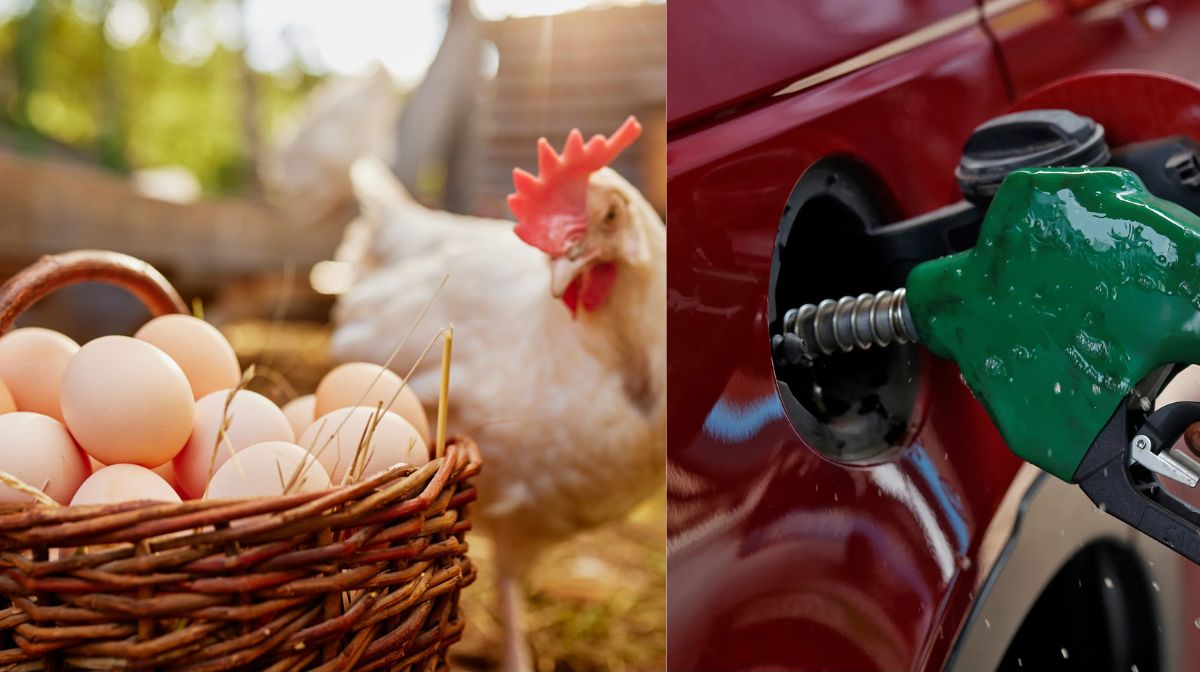
Egg prices in India rose nearly 40% last year, led by rising corn prices due to strong demand from the ethanol industry, with higher winter consumption expected to support firm prices.
This was caused by high prices for corn, which is one of the most important feeds in poultry farming. Corn prices have increased significantly due to the growing demands of the ethanol industry, which has increased production costs.
With the onset of winter, the demand for eggs is likely to increase; therefore prices will remain stable.
Egg prices have increased by almost 40%
According to the National Egg Coordination Committee (NECC), egg prices have increased by about 35-40% over the past year.
Prices at the farm level have reached around Rs 7 per egg, while consumers are currently paying around Rs 8.50 to Rs 9 per egg at retail outlets.
The poultry industry expects prices to remain high as demand typically increases during winter.
Why are egg prices rising?
One of the main reasons is the rising cost of poultry feed.
Feed makes up a significant portion of poultry production costs.
In the poultry industry, corn is the main feed ingredient, accounting for 65% to 70% of total production costs.
So when the cost of corn goes up, the cost of producing eggs and chickens becomes very high.
Corn prices nearly doubled in three years
The cost of corn has risen sharply.
Three years ago, maize was selling at around Rs 14,000 per tonne, according to industry data. It is now around Rs 26,500 per tonne.
Prices have also risen nearly 20% over the past five months, adding to pressure on poultry producers.
For farmers who already incur other production costs, increasing feed costs can significantly reduce profit margins.
How does E20 demand affect corn supply?
Rising demand for ethanol is another factor putting pressure on corn supplies. India is increasing the use of ethanol in gasoline as part of its efforts to reduce dependence on traditional fossil fuels and increase the use of biofuels.
Although sugarcane remains an important source of ethanol, corn is increasingly being used by ethanol producers.
According to a senior NECC official quoted by The Economic Times, around 37% of India’s total corn production is currently consumed by ethanol plants.
This means poultry farmers and ethanol producers are competing for the same crop.
India’s corn ethanol production is on the rise
Recently, this trend has become increasingly obvious.
Corn ethanol production has grown from about 1 million tons in 2022 to about 6 million tons in 2024, according to industry estimates.
This number is currently projected to be around 17 million metric tons.
Industry estimates suggest corn ethanol production could grow to 25 million tons in 2030.
If the trend of increasing demand continues, poultry plants will face more competition for corn in the future.
Why winter can cause egg prices to rise
In winter, egg consumption usually increases.
Eggs are widely used in homes, restaurants and food processing plants, with demand also increasing as consumers seek affordable protein during the colder months.
If demand increases and poultry farmers continue to face high feed costs, egg prices could remain under pressure.
This creates a simple chain:
Higher corn demand → higher feed costs → higher poultry production costs → pressure on egg prices.
Ethanol is not the only reason
However, industry experts caution against blaming ethanol production for rising egg prices. Several other factors can affect poultry prices, including extreme heat, bird mortality, weather conditions, and the availability and cost of other feed ingredients.
For example, heat stress can affect poultry health and productivity. Changes in the supply or price of imported feed ingredients can also increase farmers’ costs.
Other kitchen utensils are also under pressure
Eggs are not the only food product that will rise in price.
Onion price in Delhi is now between Rs 50 and Rs 60 per kg.
The government hopes to give consumers some respite by extending subsidized onion sales to 19 cities. Onions will be sold at Rs 35 per kg and 1,000 metric tonnes will be supplied to Delhi.
Jaggery prices have also increased in recent times. The new price is around Rs 90 to Rs 100 per kg, up from Rs 70 per kg last month.